









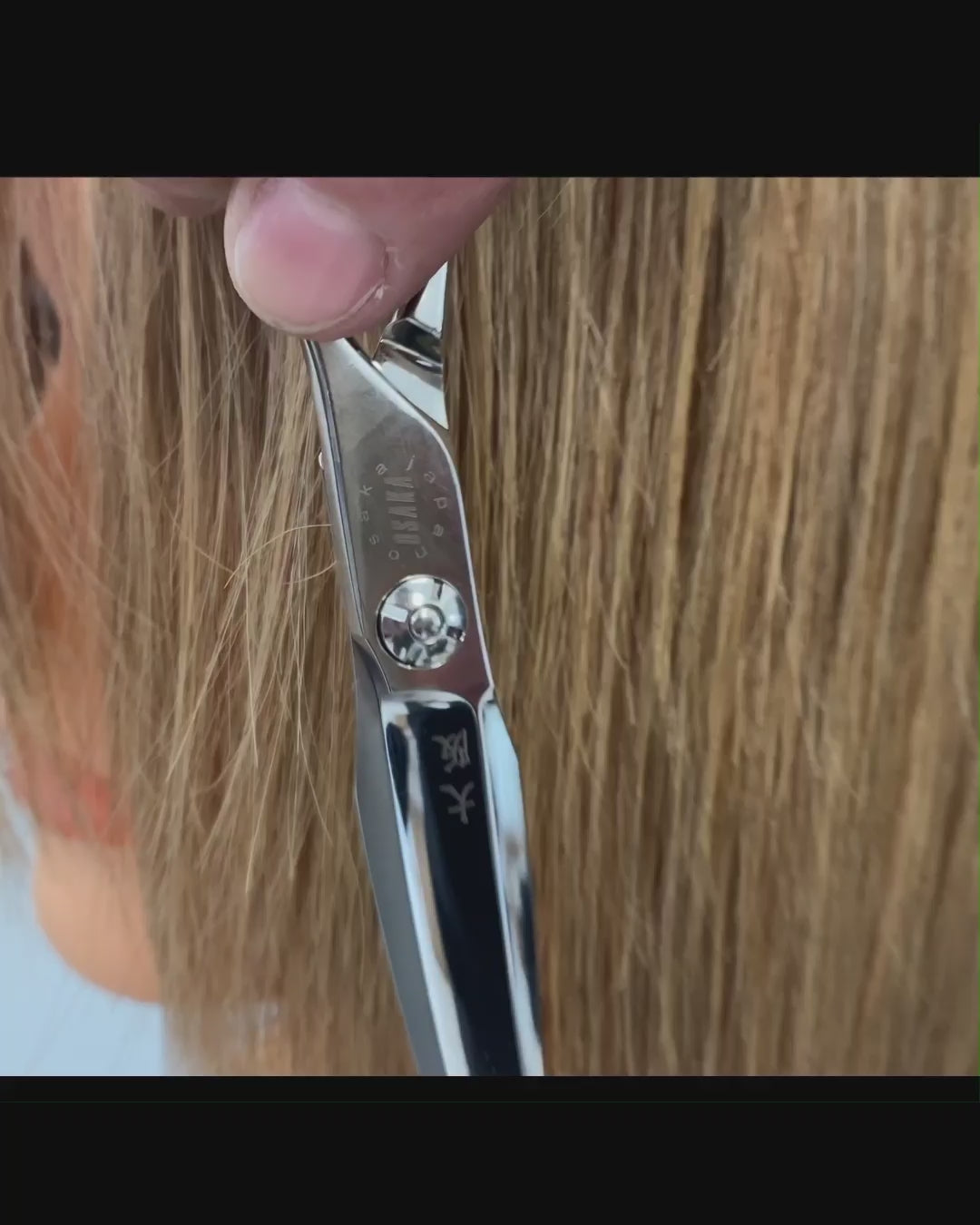


How to Tell If Your Hair Scissors Are High Quality
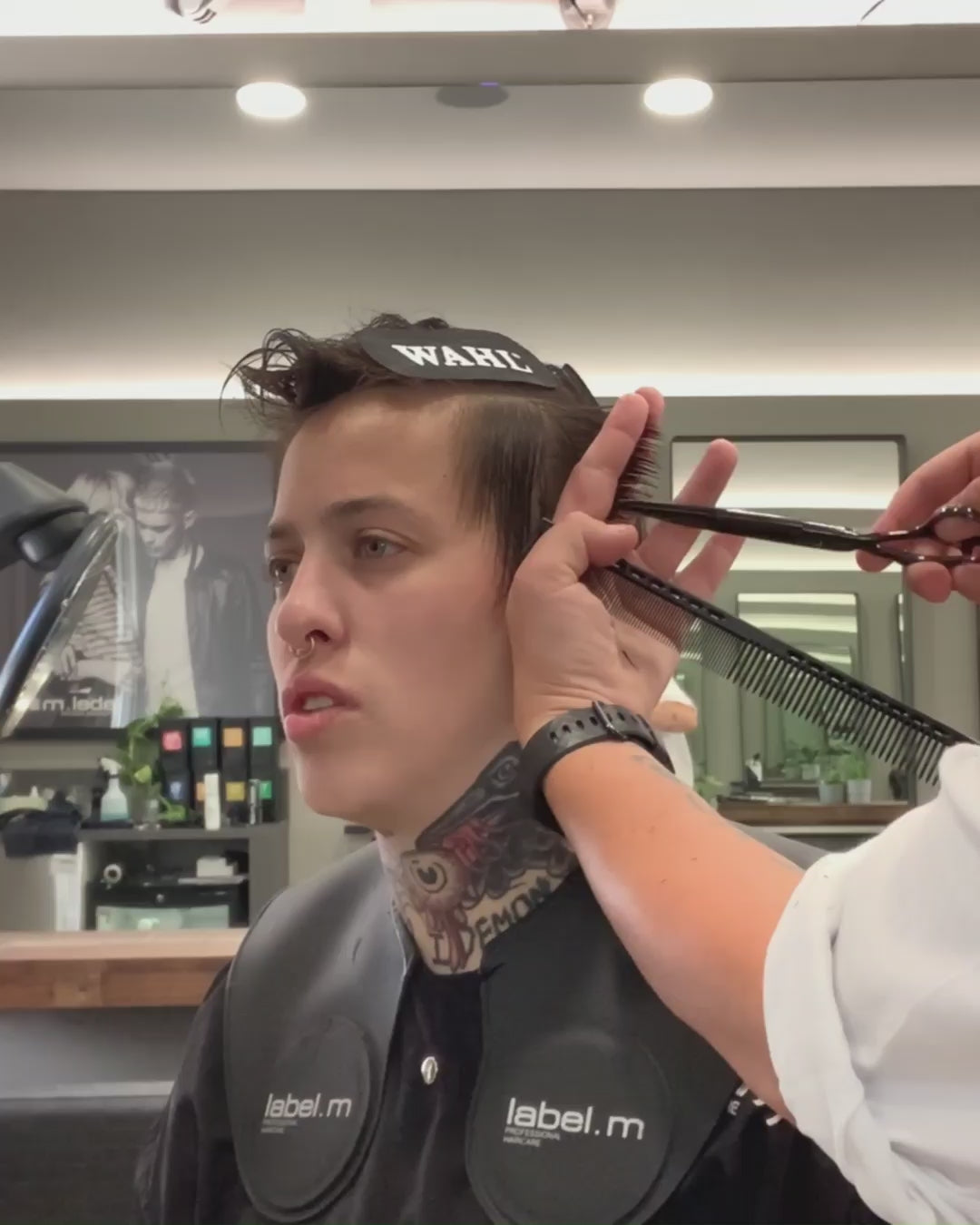
You know that split-second when the blade catches, and you're pulling instead of slicing? Your client tenses up. Initially, they won't say anything (but their shoulders tell the whole story nonetheless). And yet most of us keep working with blunt scissors, convincing ourselves they're "fine for now" or that one more week won't hurt. Spoiler: it does.
The shift from decent to damaging happens gradually, and suddenly you're compensating without realising it. Learning what true quality looks like matters beyond just cleaner cuts. It's about safeguarding your hands, maintaining your reputation, and, honestly, extending how long you can stay in this industry.

Why Your "Professional" Scissors Might Be Sabotaging Every Cut
Cheap scissors feel like a win at checkout until reality hits. Give them a month, and they're tugging instead of cutting cleanly. Now, you're stuck choosing between subpar results or sharpening bills that pile up surprisingly fast. The bigger issue? Budget steel doesn't actually cut hair; it folds and tears it. Your clients end up with split ends that they can spot in the mirror, and you're gripping harder just to get through each section. That extra grip pressure? It's quietly wrecking your hands, setting you up for repetitive strain that can genuinely end careers.
Quality scissors maintain sharpness for months of daily salon use, requiring far less pressure for clean cuts. Better balance and smoother mechanics mean less muscular effort throughout those long Saturday shifts. Honestly, once someone's experienced the effortless glide of properly manufactured scissors, going back feels like cutting with garden shears.
What Separates Japanese Hair Scissors from Everything Else on Your Station
Steel Quality and Blade Design
Japanese hair scissors aren't made from whatever stainless steel happens to be lying around. These aren't random steel blends — each element serves a purpose. Carbon sharpens the blade, chromium stops rust, and molybdenum with vanadium creates steel tough enough to survive constant exposure to salon chemicals. But here's the bit most people miss — Japanese craftsmen cycle the steel through heat treatments that reorganise its internal structure, so those blades stay reliable cut after cut, client after client. It's not just marketing talk — the metallurgy actually matters.
But the blade shape matters just as much. Premium scissors use convex edges—those hollow-ground blades that taper down to an almost razor-thin cutting line, so hair just glides through with barely any effort. Budget options? They're usually bevelled, which means they're basically shoving hair aside instead of actually cutting it cleanly.
Ergonomics and Balance
Well-designed scissors feel like hand extensions, not tools being gripped. Offset handles reduce thumb strain by allowing natural hand positions, while swivel mechanisms let the tool move with the stylist rather than fighting against it. Weight distribution matters enormously during eight-hour days—scissors balanced around the pivot point require less muscular effort, reducing fatigue in the thumb, fingers, and wrist.
Here Are Subtle Attributes That Separate Real Quality from Marketing Hype
Premium Steel with Honest HRC Ratings
HRC ratings measure steel hardness, which is basically how long your edge stays sharp between sharpenings. Professional scissors usually land between 55 and 60 HRC, though some Japanese makers hit 62 or higher with proper heat treatment that actually changes the steel's structure. And that difference? It means weeks or even months more between sharpening appointments.
Different steel compositions deliver different performance. Take the 5Cr15MoV steel. It hits around 55-56 HRC, which handles daily cuts without costing a fortune. But 9Cr18MoV? That's 57-58 HRC territory, and you'll actually notice how much longer those edges stay sharp between sharpening appointments. Studies demonstrate that increased carbide volume fraction correlates directly with longer sharpness retention.
Heat treatment processes like deep cryogenic treatment (DCT) and precise tempering can raise hardness ratings by 2-3 HRC points while improving microstructural stability. Manufacturers who invest in proper heat treatment produce scissors that maintain their edge far longer than those simply stamped from steel sheet.
The catch? Plenty of marketing materials throw around HRC numbers without backing them up. Reputable brands provide actual testing data and stand behind specifications with solid warranties.
Smooth, Silent Cutting Performance
So what separates a truly sharp blade from one that just looks the part? It's really about three things: the angle of the edge, how thin it's ground, and the precision of that final cutting surface. Moreover, sharpness can be quantified using the Blade Sharpness Index (BSI), which measures the energy required to initiate a cut relative to material fracture toughness.
Here's what most people get wrong: truly sharp blades are safer to work with. Sure, if you do nick yourself, it might be a cleaner cut—but the real danger comes from dull scissors that need constant pressure just to slice through hair. When you're forcing every cut, that's when hands slip, and control disappears.
A properly crafted pair of scissors, slicing through hair, should be smooth without any noise. Why? The blade geometry is so precise that each strand fractures cleanly instead of getting crushed. That crunching noise from budget blades? That's blade edges misaligning—not something anyone wants near a client's head.
Ergonomic Design That Protects Your Hands
Your hands weren't designed to grip tools at weird angles all day. But that's exactly what happens with badly designed scissors—they force your thumb up, your wrist into awkward positions, and before you know it, you're dealing with tendon strain that wasn't there six months ago. Offset handles let your thumb sit where it naturally wants to be, taking pressure off your shoulder and elbow. And swivel mechanisms? They're worth their weight in gold because your thumb can move freely instead of twisting your wrist through every single cut.
Edge Retention and Sharpening Longevity
Here's what separates the real deal from disposable junk—proper Japanese hair scissors hold their sharpness for months (no, not a few rushed weeks). Some stylists go half a year between sharpenings, even with back-to-back clients every day. And when they do need maintenance, quality steel responds beautifully without falling apart. But cheap pairs? They can't even be sharpened properly. You're basically buying throwaway tools that cost you more over time.
Warranty and Brand Reputation
Manufacturers confident in their craftsmanship back scissors with substantial warranties—often lifetime coverage against manufacturing defects. Look for brands that specialise in professional cutting tools rather than companies making everything from tweezers to kitchen knives.
How to Expose a Fake in Seconds Without Cutting a Single Hair
The Glide Test on Dry and Wet Hair
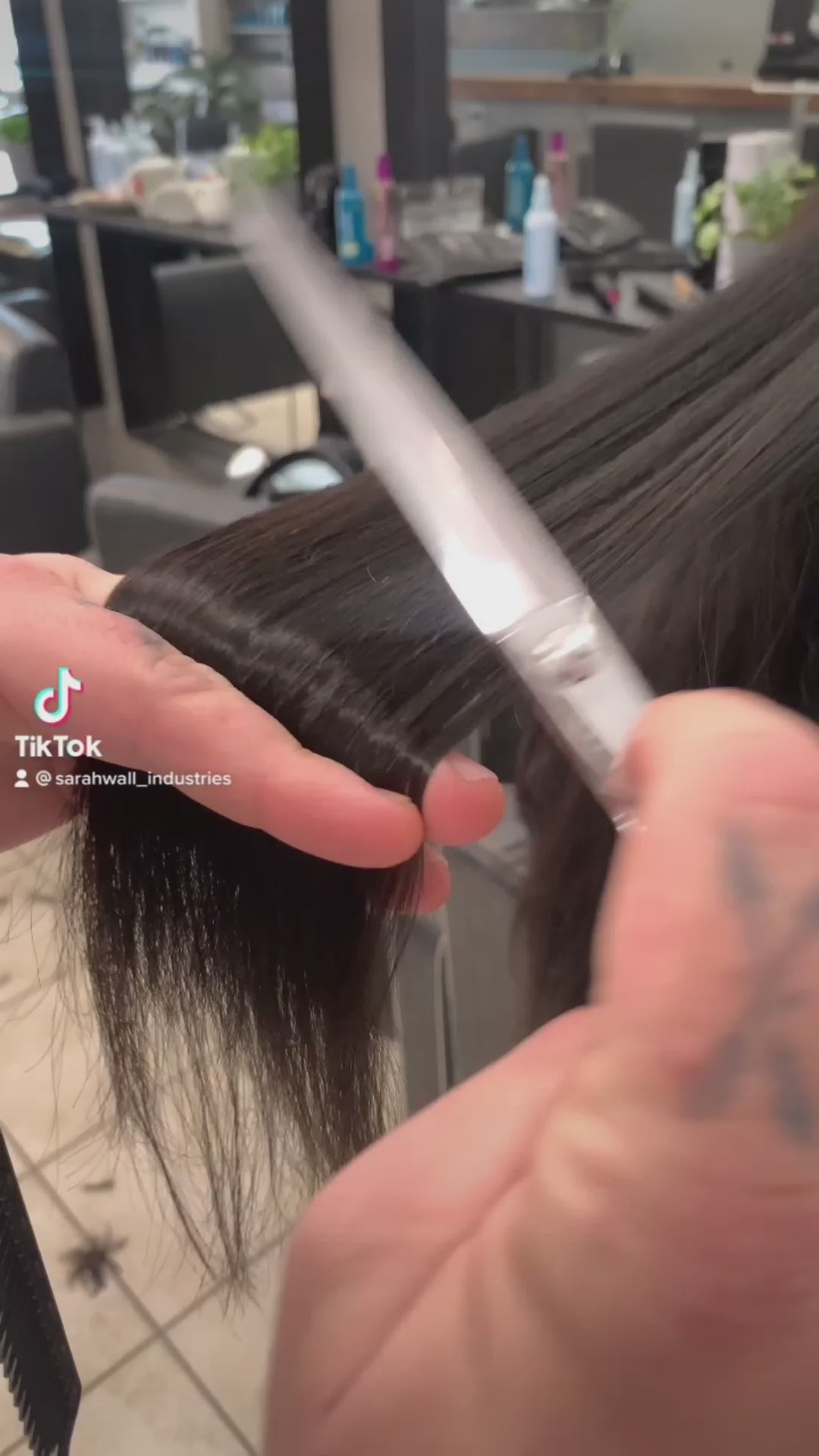
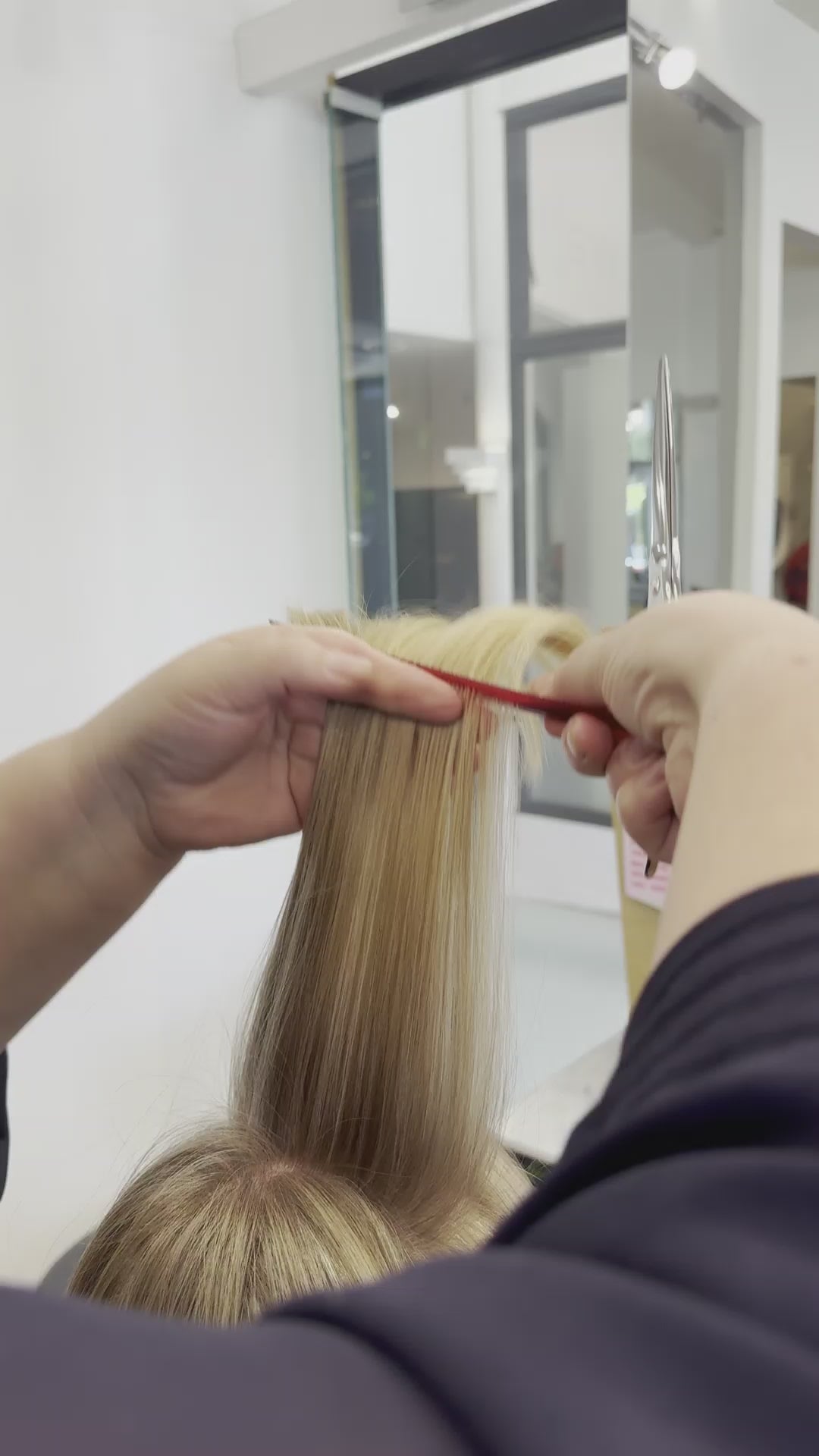
Hold scissors at eye level with blades open at 45 degrees. Close them slowly—quality scissors glide smoothly without resistance or catching. Test on dry hair first: take a small section and slice through at various angles. Premium scissors cut effortlessly regardless of angle. Wet hair tells even more: quality blades slice through smoothly, whereas cheap scissors push wet hair aside.
The Alignment and Balance Check
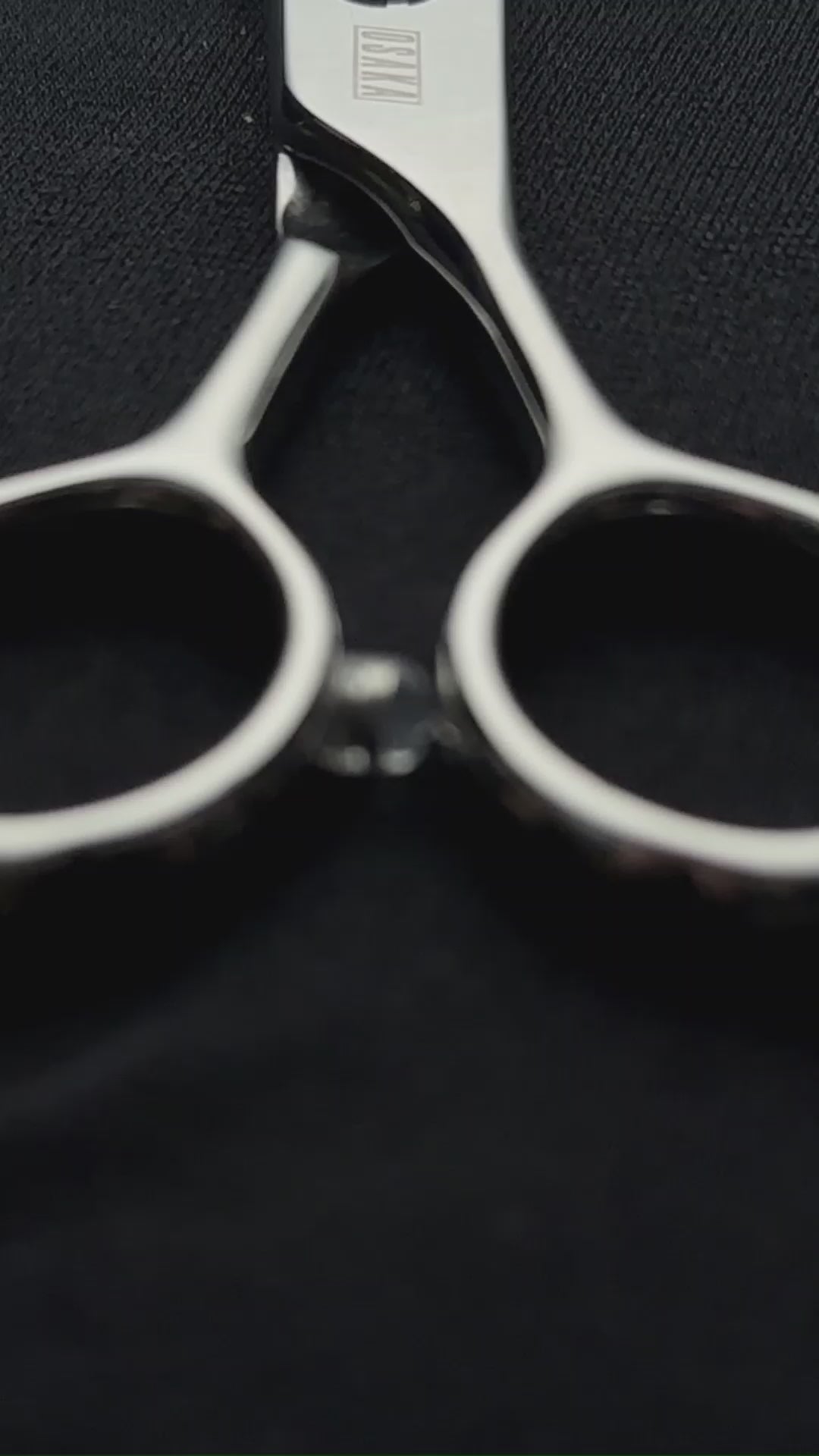
Open scissors fully and hold by one handle, letting them hang freely. Blades should remain aligned without drifting apart. Place them on your palm with finger holes facing up—they should balance perfectly around the pivot point. Check the pivot tension by opening and closing the blades several times. Resistance should feel consistent and smooth throughout, not loose at the start and tight at the finish.
Why Australian Stylists Are Switching to This Overlooked Brand
Built for Australian Stylists
OSAKA Scissors entered the Australian market, understanding the specific challenges local stylists face, from Queensland humidity to coastal salt air. We've teamed up with PASSION Scissors, where three decades of Japanese craftsmanship are now available to Australian pros who want blades that actually respect their hands.
Complete Solutions: Scissors, Accessories, and Professional Sharpening
We're not just selling scissors and walking away. OSAKA provides complete professional support—from helping stylists choose the right scissors for their cutting style, through to professional sharpening services that maintain peak performance for years. With fast shipping and flexible payment options, and our lifetime warranty on manufacturing defects demonstrate a genuine commitment to our craft.
Your Hands Deserve Better
The investment in quality scissors isn't about luxury—it's about protecting the hands that build careers. OSAKA's range includes options for every specialisation and budget level, from apprentice-ready sets through to premium cobalt designs for master stylists. Browse our collection and experience what Australian professionals are discovering: precision Japanese craftsmanship meets practical Aussie reliability. Your hand (and your clients) will notice the difference from the very first cut.