









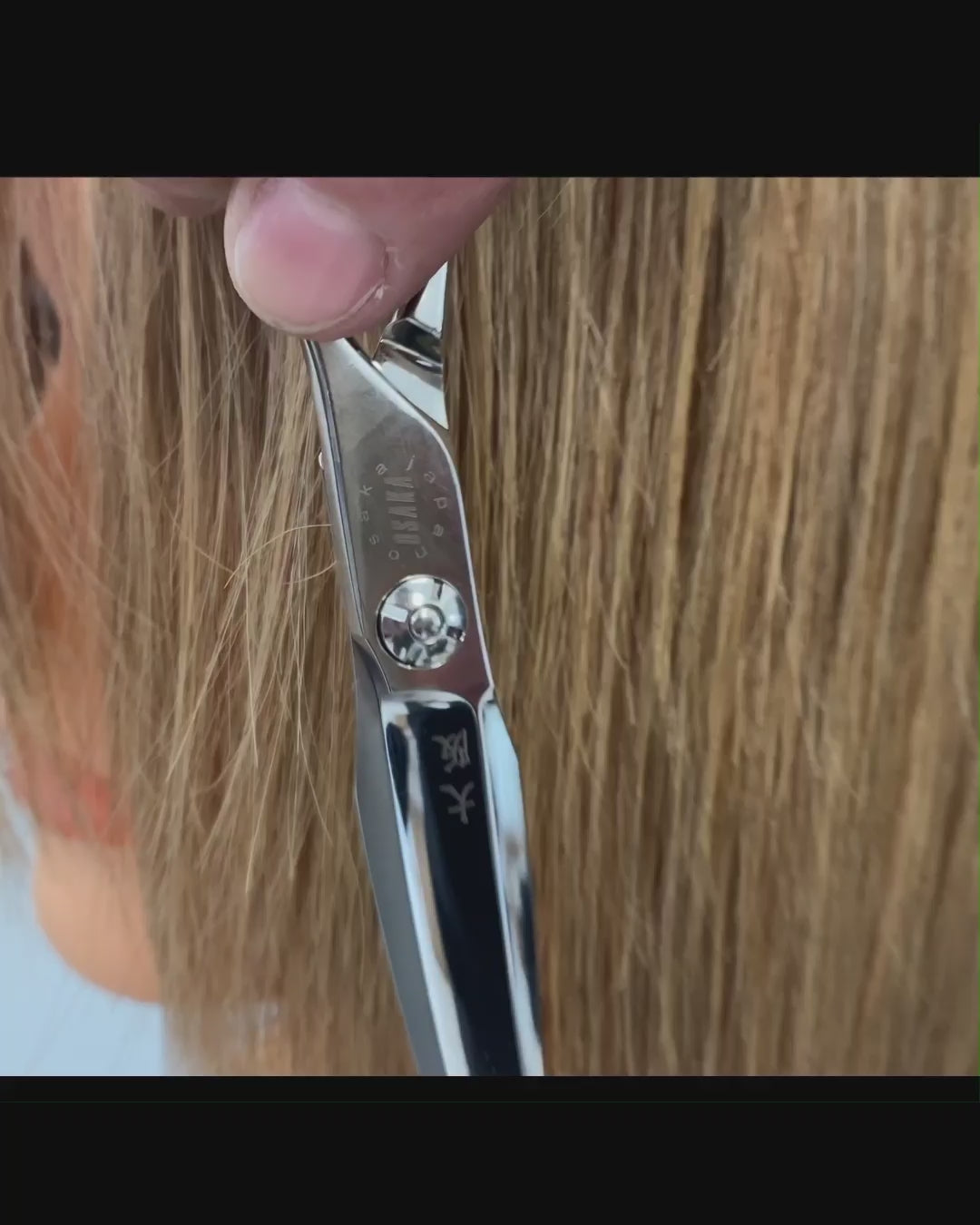


The Difference Between Dry Cutting Scissors and Wet Cutting Scissors
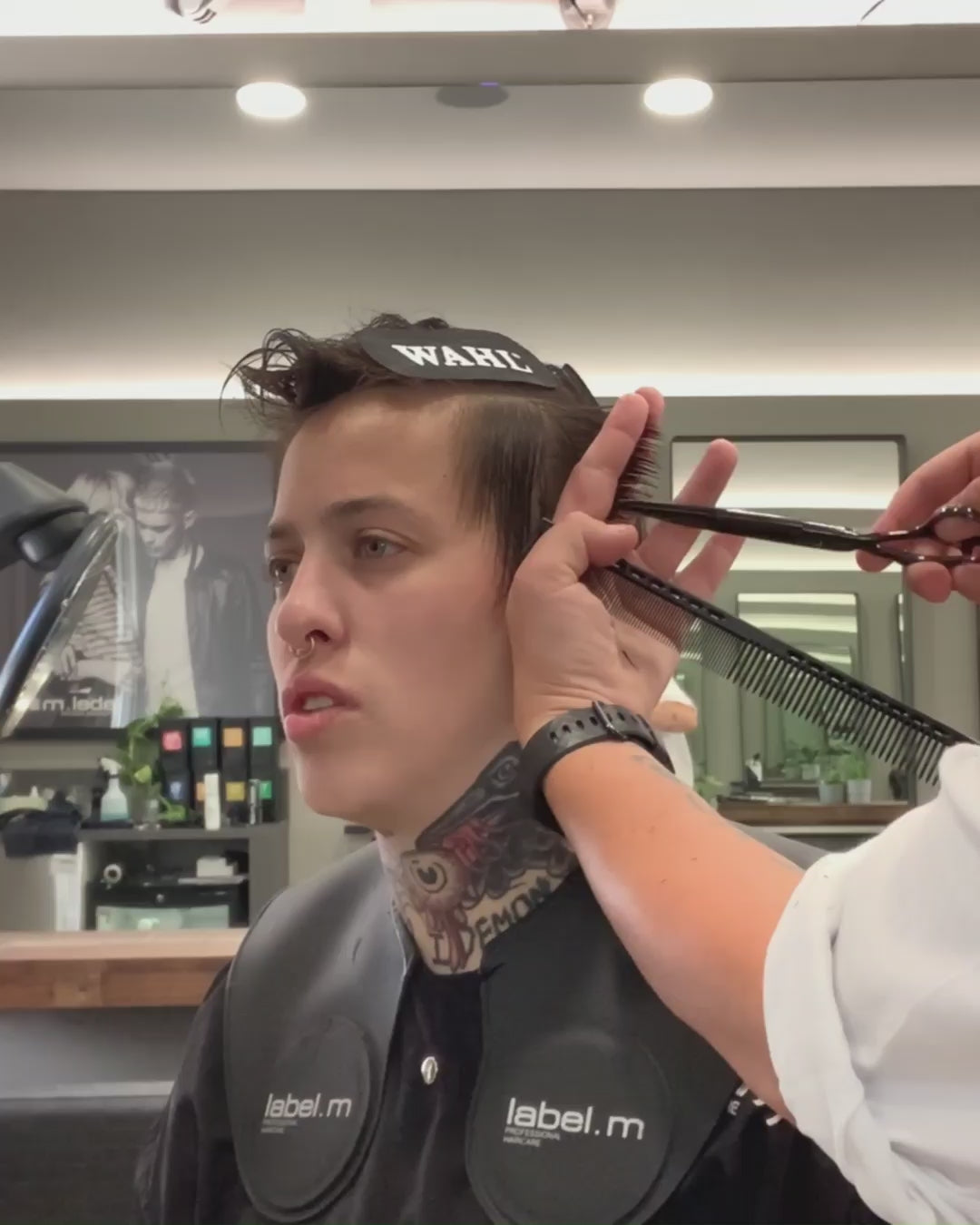
Walk through any salon mid-service, and the scissor choices alone tell a story. Dry cutting vs wet cutting scissors aren't interchangeable — technique, hair texture, and the result a stylist is chasing all factor into what gets picked up first.
- Damp hair is easier to control, which is why wet scissors usually open the service.
- Dry scissors come in once the shape is set — refining movement and catching what wet cutting can't show.
- Blade geometry and handle angle add up across a long shift; small differences become noticeable fast.
- Tool-switching mid-haircut isn't unusual. Most experienced stylists treat it as standard practice.
What Is the Difference Between Dry Cutting and Wet Cutting Scissors?
The gap between dry cutting vs wet cutting scissors isn't always obvious on paper. Put them both to work on hair, though, and the distinction becomes hard to ignore.
What Are Wet Cutting Scissors Designed For?
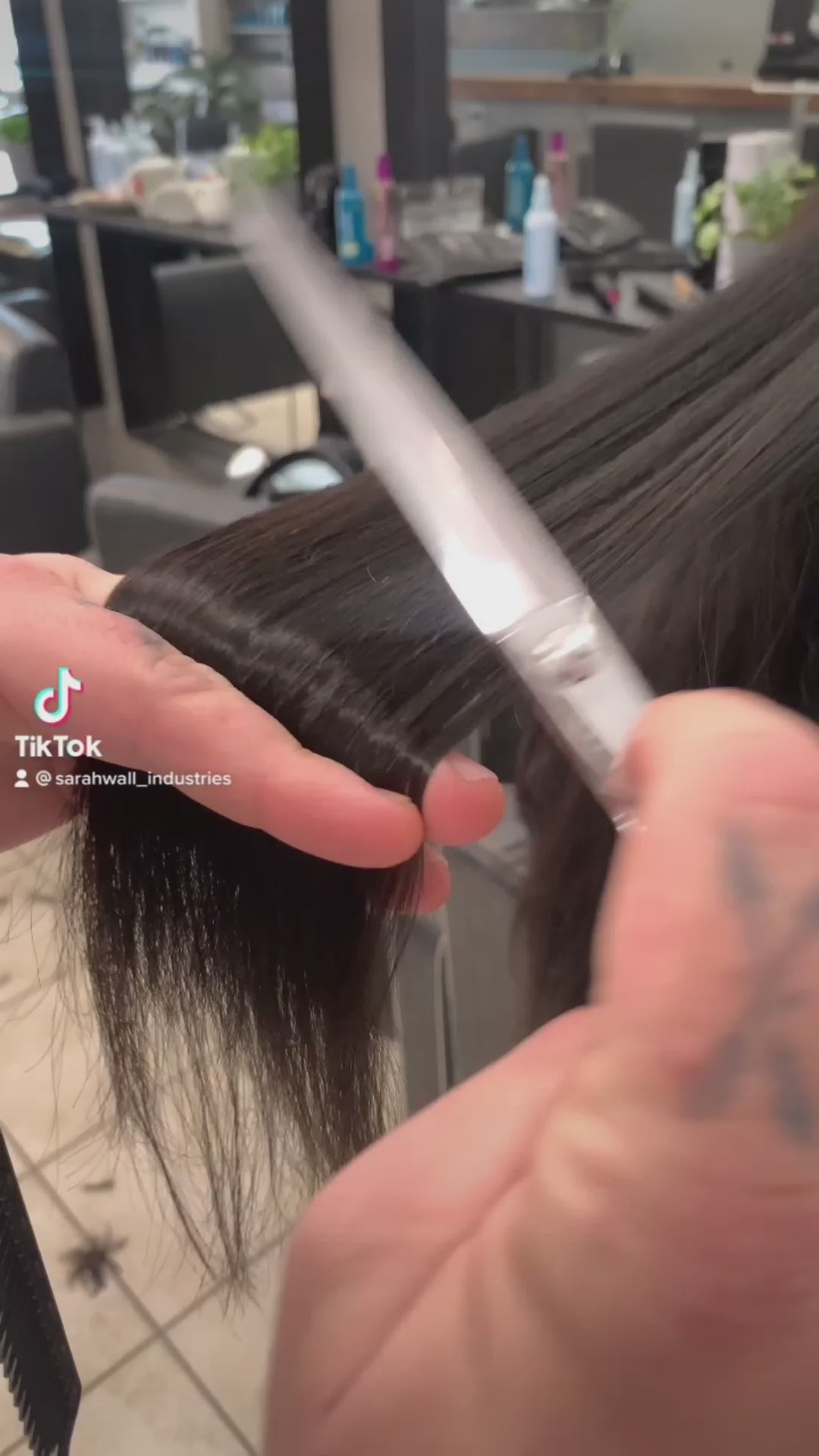
Wet cutting is where the structural groundwork happens. Damp hair holds its position better under the comb, which makes removing bulk, establishing shape, and managing larger sections far more predictable early in the service.
Common Features of Wet Cutting Scissors
Balanced blade tension and smooth cutting action are standard. Edge stability holds up well across extended salon use, suiting stylists handling multiple clients throughout the day.
What Are Dry Cutting Scissors Designed For?
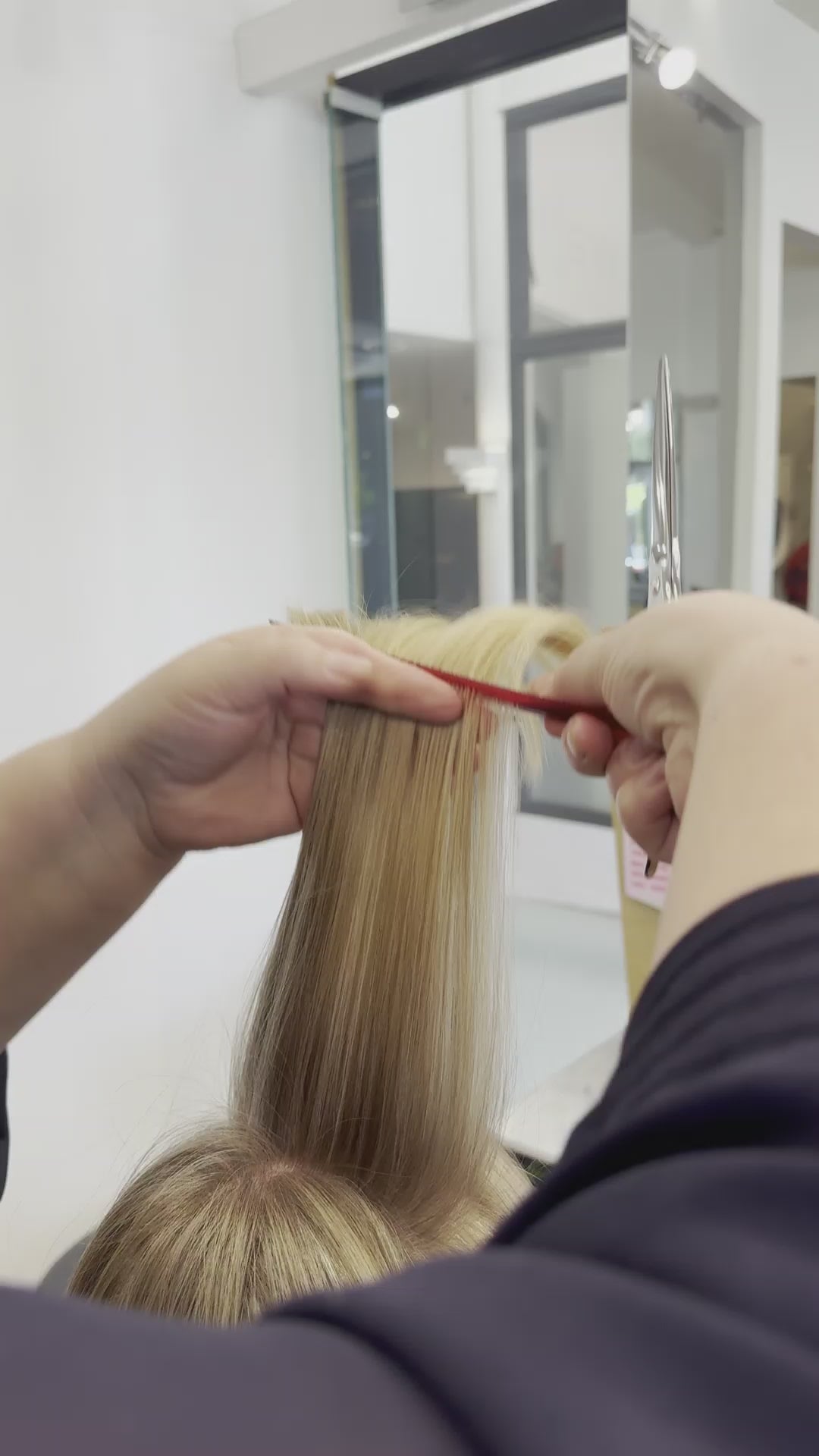
Dry cutting scissors handle detail work — point cutting, slide cutting, and texture refinement on finished hair. Many dry cutting models feature highly refined edges and lighter blade profiles, giving stylists a clearer view of the haircut as they work.
They are frequently used for layers, fringe refinement, and heavily textured styles where small adjustments have a visible impact.
Common Features of Dry Cutting Scissors
Sharp edge geometry and responsive handling are often what stylists notice first. Less resistance through the blade means more control over the small adjustments that determine how a finished cut actually looks.
Why Hair Behaves Differently When Wet vs Dry
Moisture does more to hair than most clients realise. The way it moves, stretches, and sits under the scissors shifts considerably once water enters the equation.
For that reason, many stylists adjust both their approach and their tools as the service progresses.
How Wet Hair Changes During Cutting
Hair under moisture can elongate slightly, creating a different visual guide than the finished dry result.
Section lines become easier to control and bulk weight simpler to remove, but the final shape is not fully visible until the hair dries and returns to its natural state.
Why Dry Hair Reveals the Final Shape Better
Cutting dry hair lets stylists work with the hair's true behaviour rather than a temporarily altered version of it. Wet hair stretches, and as one experienced stylist notes, there is nothing natural about how it behaves when wet.
When hair is dry, curls settle, waves fall into place, and weight distribution becomes immediately visible. Fringe length and layer balance can be assessed and refined in real time.
Why Some Stylists Combine Both Techniques
Hybrid cutting — starting wet and finishing dry — is common in modern salon work. Wet cutting builds the structural foundation efficiently, while dry cutting refines movement and texture after the hair has settled.
This is particularly useful for curly and wavy clients, where the dry finish allows curl-by-curl personalisation.
How Blade Edge Types Affect Dry and Wet Cutting Performance
Edge geometry significantly influences how scissors perform on wet or dry hair.
Convex Edge Scissors for Dry Cutting
Convex edges are extremely sharp and produce minimal resistance during slicing and slide cutting. On dry hair, a sharp blade tends to move through the strand with less disruption, making fine adjustments easier to judge.
Many Japanese scissors feature convex-edge designs, a style frequently chosen by hairdressers who spend considerable time refining texture and finish.
Why Convex Edges Are Popular for Texture Work
The reduced friction during slicing produces softer, more natural-looking finishes. For feathering, point cutting on dry layers, and slide cutting through fringes, a convex edge gives consistent results without the micro-resistance that dulls precision over time.
Bevel Edge Scissors for Wet Cutting
Bevel edges are more durable and better suited to blunt cutting on wet hair. The stronger blade feel is easier to control for apprentices and stylists focused on structural work, and they hold their edge well under regular salon use.
Semi-Convex Blades as a Hybrid Option
Semi-convex blades sit between durability and sharpness, making them practical for stylists who handle both wet structural work and dry detailing without wanting to manage separate scissors.
Which Type of Hairdresser Benefits Most From Dry Cutting Scissors?
For hairdressers whose work lives in the detail — texture, movement, curl definition — dry cutting scissors aren't optional. They're the tool that the whole finish depends on.
Hair Professionals Who Commonly Use Dry Cutting Scissors
Curl specialists, session stylists, and barbers with a heavy texture focus tend to reach for dry cutting scissors most. The finished state of the hair is their working canvas.
Popular Haircuts That Often Involve Dry Cutting
Styles built around movement and softness show dry cutting's strengths most clearly. Cuts that rely on texture or natural fall tend to benefit most when refined on hair that's already settled into its true shape.
Which Type of Hairdresser Benefits Most From Wet Cutting Scissors?
Dry cutting gets plenty of attention these days. That hasn't changed the reality that wet cutting underpins most of what happens in a salon chair from open to close.
Hair Professionals Who Commonly Use Wet Cutting Scissors
Hairdressers focused on structure, weight removal, and clean baseline work often spend most of the service cutting on damp hair.
Classic cutting stylists who focus on structured styles also favour wet scissors for the control they provide through damp sections.
Haircuts Commonly Started on Wet Hair
One-length cuts, graduated bobs, precision baselines, and long layered cuts are typically started on wet hair. The damp state makes section lines cleaner and weight removal more predictable during the structural phase.
Can One Pair of Scissors Be Used for Both Dry and Wet Cutting?
Some scissors handle both reasonably well. Whether that's good enough depends on how hard they're being pushed and what the cutting work actually demands day to day.
When Hybrid Scissors Work Well
Semi-convex scissors handle mixed salon use reasonably well for stylists moving between wet cutting and light dry detailing.
Research examining cutting tool performance under microscopy found that each tool produces a distinct pattern at the fibre tip, with different potential for hair damage.
Scissors used perpendicularly on damp hair produced the cleanest, most linear cut. When the same blade geometry is applied to dry hair for sliding cuts, fibre stress increases — suggesting a performance gap in an all-purpose scissor.
Signs You May Need Separate Scissors
Hair pushing, wrist fatigue, difficulty with slide cutting, and faster blade dulling all signal a single pair is being stretched too far. Reduced precision during finishing is often the first thing stylists notice.
What to Look for When Buying Professional Dry or Wet Cutting Scissors
Blade shape is a starting point, not the whole decision. Comfort, steel grade, weight distribution, and how a scissor actually feels mid-service all matter just as much.
Important Features to Compare
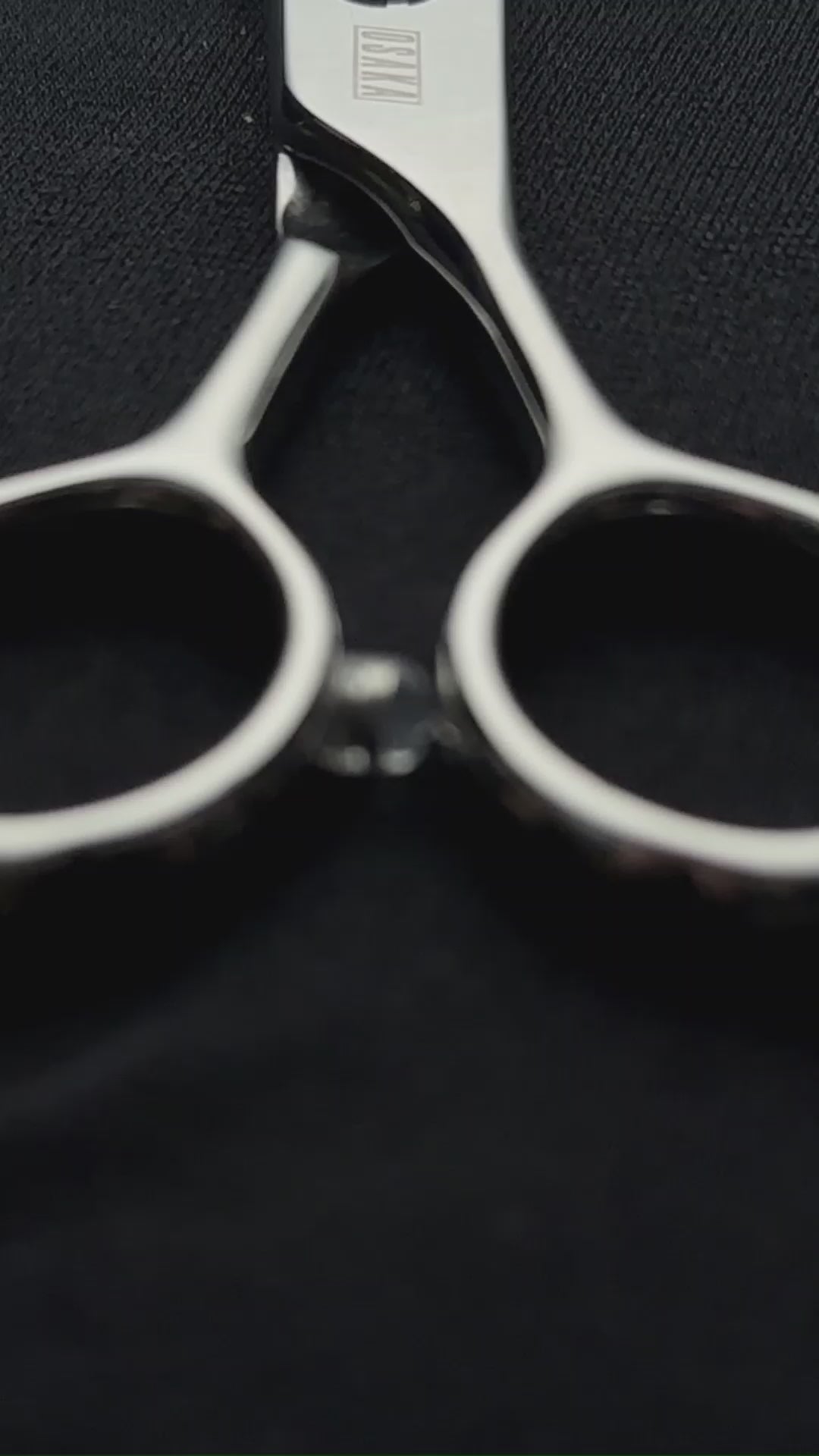
Blade edge type and Japanese steel quality are the two most important starting points. Handle ergonomics, weight distribution, and tension adjustment systems all affect comfort during extended use.
Why Japanese Hairdressing Scissors Are Popular
Japanese steel scissors are known for high-edge sharpness, smooth cutting action, and long-term durability. Hair has a cuticle layer formed by overlapping scales that protects the cortex, the primary source of mechanical strength.
Sharp, well-maintained scissors with clean edge geometry reduce friction at the cut point, limiting cuticle disruption and cortex exposure — part of why precision-ground Japanese scissors produce better long-term results.
Questions to Ask Before Buying
Consider wet or dry use, whether slide cutting features are regularly used, and whether durability or sharpness is the priority. Handle design matters more than most buyers realise until three hours into a busy Saturday.
Why Many Australian Stylists Invest in Multiple Cutting Scissors
Many experienced Australian hairdressers eventually build a scissor setup tailored to different cutting stages and client needs.
Common Multi-Scissor Salon Setups
Most experienced Australian hairdressers build a setup tailored to different cutting stages.
A well-rounded kit often contains separate scissors for shaping, finishing, blending, and managing weight through different hair types.
Benefits of Specialised Scissors
Improved cutting efficiency, better haircut consistency, reduced stylist fatigue, and greater control across different hair types are the main benefits of purpose-matched scissors.
Stylists who invest in a proper setup often find their finishing quality improves — not because their technique changed, but because the tools stopped getting in the way.
FAQs About Dry Cutting vs Wet Cutting Scissors
New to the dry cutting vs wet cutting scissors debate, or just tightening up your toolkit? These questions come up often — and the answers tend to make the choice a lot clearer.
Are dry cutting scissors sharper than wet cutting scissors?
Generally, yes. Dry cutting scissors often use highly refined convex edges designed for precision cutting, slide cutting, and texture work on finished hair.
Can wet cutting scissors be used on dry hair?
Yes, but performance may vary depending on blade quality and edge type. Some scissors can push or fold dry hair instead of cutting cleanly during detailing work.
Are convex-edge scissors better for dry cutting?
Many stylists favour convex edges when performing slicing and texture work because the blade feels smoother as it travels through the hair.
Do professional stylists use separate scissors for dry and wet cutting?
Many experienced stylists do. Using specialised scissors can improve cutting accuracy, comfort, and overall finishing quality.
Are expensive Japanese scissors worth it?
Quite often. Many professionals find that dedicated scissors deliver more consistent results, particularly when working across very different cutting techniques.
Find Professional Hairdressing Scissors Designed for Every Cutting Technique
Knowing the difference between dry cutting vs wet cutting scissors takes the guesswork out of building a kit that actually fits how you work.
Osaka Scissors carries Japanese hairdressing scissors suited to every stage of the service — wet structural work, dry detailing, and everything in between. Browse our value-packed scissor range to find the right match for your cutting style.