



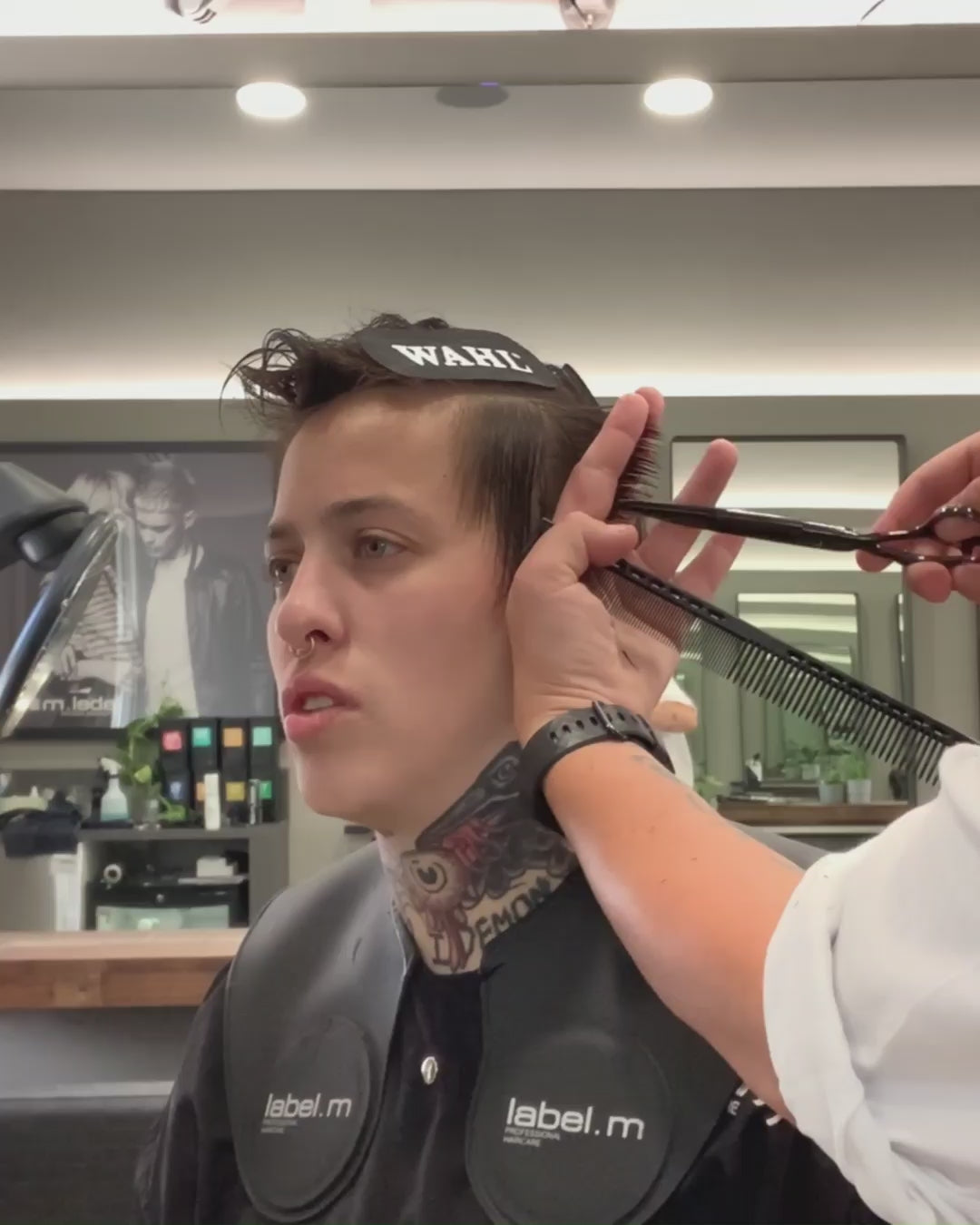






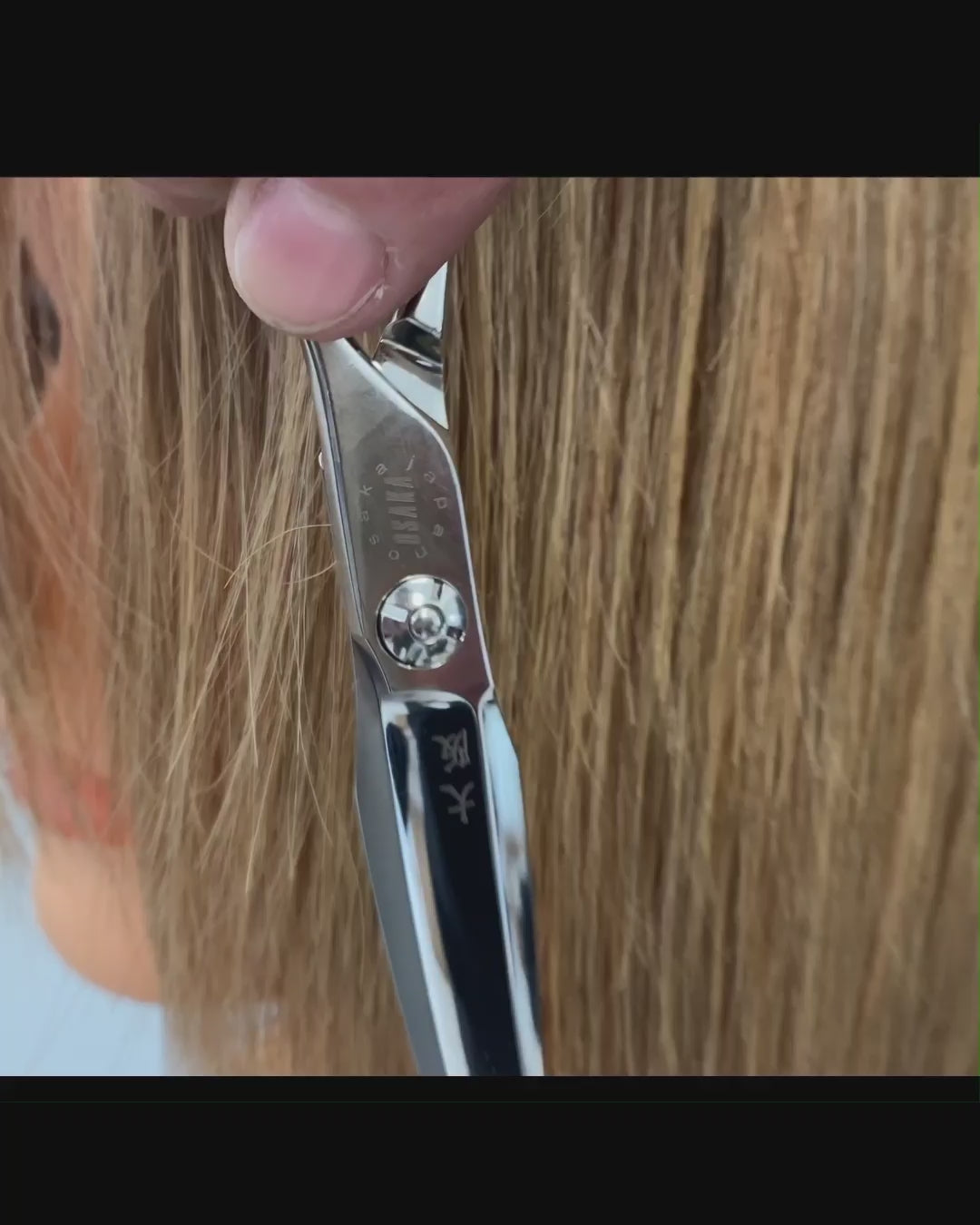


Prevent Wrist and Shoulder Pain with Ergonomic Scissors

That ache in your wrist at the end of a Saturday rush? It's not just fatigue. Could be the early warning signs of something that'll force you out of the industry before you're ready to hang up your shears for good.
A lot of stylists figure that wrist ache after a long day’s just part of the job—fair dinkum occupational hazard, yeah? But here’s the real worry: that nagging twinge can build into serious chronic pain, wrecking careers way too soon. Tendonitis, carpal tunnel, shoulder issues—they’re not some far-off problem. They sneak up with every snip, every client, especially if you’re stuck with scissors that ignore how your body actually works. The upside? Switching to better tools can genuinely change the game.
Why Top Stylists Quit Before Forty (And How to Avoid Their Fate)
Step into a Melbourne or Sydney salon, and you'll see those grizzled pros who've snipped away for decades with no fuss. But then there are the gifted ones who've bailed early simply because their bodies just gave out. A study on hairdressers lays this one bare: 75.6% hit with musculoskeletal issues over 12 months. That’s three-quarters experiencing work pain in just one year.
Shoulders troubled 62.5% of hairdressers studied, necks affected 46.3%, and lower backs a staggering 76.3%. What's especially alarming? A full 91.3% reported a gradual onset—meaning pain builds quietly over months and years, ignored or tolerated until it becomes unbearable. Age, years of working experience, and hours spent standing all significantly increase the risk. Essentially, the longer you're in the game, the higher the odds of chronic pain catching up—unless you address the root causes early.
Common Culprits Behind the Pain
Hairdressing combines multiple ergonomic stressors that compound throughout the day. A big European study showed that folks doing repetitive arm work for about 75% of their shift end up with way more neck and shoulder pain. But pair that with hours on your feet and awkward poses—like holding your arms up high—and the hurt ramps up even worse.
Hairdressers tick every box. Repetitive snipping. Hours on their feet. Arms lifted for blow-drying and sectioning. Back twisted to reach around clients. The study proved multiple risk factors don't just add up; they multiply. Workers exposed to combined ergonomic hazards experienced greater pain increases than those with single-exposure risks. Fair dinkum, it's no wonder so many stylists struggle.
The Hard Truth About Your Current Scissors
Standard straight-handle scissors force your wrist into ulnar deviation—that awkward sideways bend that strains tendons and compresses nerves. Do that a few hundred times a day, and fatigue builds fast. Research proves ergonomic scissor designs slash pain dramatically compared to conventional tools. Keep your wrist neutral (and no more forcing it into those weird bends), then surprisingly, stress on your joints just melts away. Less strain means way less inflammation building up, and you dodge that nagging chronic pain for years.
How Osaka Scissors Rewrote the Ergonomic Playbook
Offset, crane, and swivel handles? They're real game-changers specifically designed to hold your wrists steady and ease shoulder tension. A big meta-analysis of 24 randomised trials with over 4,000 workers proved ergonomic tools cut pain for good. Wrists saw the biggest wins; folks using them were a third less likely to deal with that nagging ache compared to standard scissors.
Neck pain showed similar protective effects, as did lower back pain. Overall pain scores dipped by an average of 0.28 points on those standard scales. Sounds tiny, right? But it stacks up over weeks, months, even years. Osaka scissors tap right into this research with the offset and crane-handle options built to hold your wrists neutral and keep your shoulders down all shift long.
Offset Handles for Wrist Relief
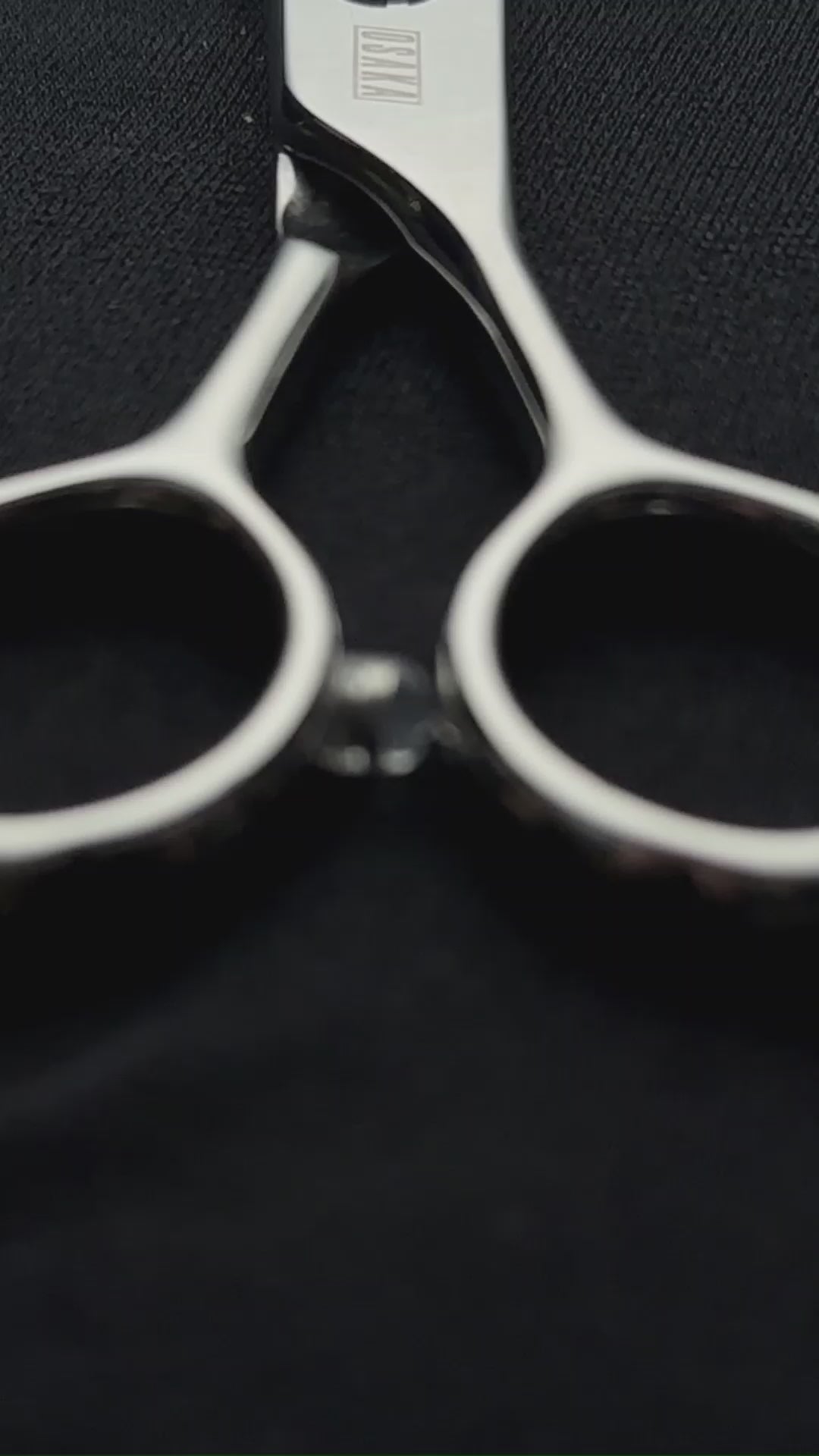
Offset handles position your thumb lower than your fingers, creating natural hand alignment that reduces ulnar deviation by up to 30 degrees. Your hand ends up much straighter, right in its natural spot. And over thousands of cuts each week, that simple change cuts down strain on your carpal tunnel and those key tendons. Less wonky bending? It seriously lowers your odds of carpal tunnel or tendonitis kicking in.
Crane Handles to Drop Your Shoulders
Crane handles angle the thumb ring even lower, naturally lowering your elbow height during cutting. When your elbow drops, your shoulder relaxes. No more constantly elevating your arm—especially crucial during long sectioning or precision work. The trapezius muscles absolutely cop it when you're lifting your arms repeatedly. Crane grips ease that overload, making marathon cutting sessions far less punishing.
Are You Breaking Australian Workplace Laws Without Knowing It?
Safe Work Australia marks hairdressing as high-risk for MSDs. So, regulars demand salon bosses spot those ergonomic traps and fix them—like handing out proper tools to shield their team. Workers' compensation claims, lost productivity, and high staff turnover are all avoidable if salons invest in proper ergonomic equipment from the start.
What Separates Career Stylists from Burnout Casualties
The difference between those who thrive for decades and those who burn out early often comes down to tools. OSAKA's offset and crane-handle models marry precision and comfort, aligning with global ergonomic research while delivering the sharpness Australian professionals demand. Lightweight Japanese steel construction cuts cutting force by roughly 20% per snip. Less force needed means less grip tension, which directly reduces wrist and hand fatigue.
OSAKA's Offset Handle Mastery
OSAKA's offset designs minimise wrist torque through careful engineering—handles positioned to keep your hand in its most natural alignment. Stylists who've made the switch keep raving about it—less ache by day's end, fewer flare-ups from old injuries, and they can keep cutting longer without that nagging discomfort.
Shoulder-Saving Crane and Swivel Options
Crane grips paired with swivel mechanisms let you adjust blade angles without twisting your shoulder or wrist. Perfect for Australian salon marathons, just like those all-day wedding bookings where you're cutting non-stop. When your scissors fit your hand right—instead of you fighting to make it work—fatigue just doesn't creep in as quickly.
The Hidden Weapon Against Chronic Pain That Nobody Talks About
Dull scissors force you to grip harder and apply more pressure to achieve clean cuts. That extra force amplifies every ergonomic risk. OSAKA's sharpening services keep blades razor-sharp, meaning minimal grip force is required. Don't overlook tension adjusters and thumb rings in different sizes either—these accessories create a fully dialled-in ergonomic ecosystem tailored to your hand.
This Is the Career-Saving Decision You Can Make Right Now
Preventing chronic pain doesn't require a PhD in biomechanics. Step one: audit your posture honestly. Are your wrists bending awkwardly? Shoulders constantly elevated? Step two: test ergonomic scissors—Osaka scissors in particular—and feel the difference firsthand. Many professionals notice reduced fatigue within days. Step three: book regular sharpening. Sharp tools demand less force, protecting your joints with every cut.
Consider OSAKA's barber value packs, two-scissor sets, or three-scissor value packs. Bundling shears and thinners often works out more affordable while ensuring your entire kit meets ergonomic standards.
Your Last Chance to Stop the Pain Before It Steals Your Passion
Thousands of stylists across Australia already rely on OSAKA for longer, healthier careers. From Brisbane right through to Perth, stylists who've switched up their tools reckon they've dodged more injuries—and they're still passionate about cutting well into their 50s, 60s, you name it.
Head over to our site and check out the full lineup of offset and crane-handle scissors—crafted right for Aussie pros like you. Scope the accessories too, or hit the clearance for top-shelf blades at bargain prices. OSAKA’s been nailing it for over 30 years with razor sharpness, smart ergonomics, and real all-day comfort. So your wrists? They’ll thank you big time.